ARCHIVED MARSB NEWSLETTER SERIES
Publish Date: June 11, 2026
June marks National Pollinator Month. Here at MARSB, one of our guiding principles is the ethical conservation of habitat — and that includes habitat in support of pollinators, invertebrates, and all manner of living organisms.
Did you know that the Mid-Atlantic region is home to almost 500 species of native bees? Studies show that 34% of Mid-Atlantic native bee species and 20% of native butterfly species are at an increased risk of extinction — largely driven by the loss of native plant habitat. The solution, while complex in its totality, is fundamentally simple: increased native forbs = supported native pollinators.
Which is why we are excited to introduce MARSB members to Field Notes. Welcome to our ecoregional, native plant newsletter. Every two weeks, we will drop highlights from MARSB programming, interesting reports from the field, and share engaging partner news. Together, we can protect critical habitat through ecoregional, native plant programs, collaboration, and knowledge sharing.
We hope you will join us, find useful information, and share in the delight of our natural world. Please read on and as always, thanks for being here.
— Your MARSB Team
Grower Outreach
MARSB’s Grower Outreach & Support Coordinator, Michael Butts, is in the midst of summer site visits and regional travel.
Our Grower Outreach program is currently focusing on support for new growers starting Generation 1 seed increase operations.
Michael is working with Virginia Tech, University of Maryland Extension and Rutgers Extension to implement seed increase operations with new growers throughout the region.
Contact mbutts@marsb.org for grower outreach questions.
___________________________________________________
Seed Collection
The MARSB team is targeting some early-flowering forbs for seed production plots in ecoregion 59. We are monitoring and collecting populations of bloodroot (Sanguinaria canadensis), pussytoes (Antennaria parlinii) and wild strawberry (Fragaria virginiana). All of these plants provide food sources for a number of different insect species at a time of year when other sources of pollen and nectar can be scarce.
In March, MARSB staff gathered all the historic collections formerly housed at the NYC Parks Plant Ecology Center and Nursery, and transferred them to their new home at the USDA Plant Material Center in Big Flats NY.
In May, we were able to conduct a full inventory and begin distributing some of this seed to growers and end-users.
Contact jprice@marsb.org for seed collection inquiries.
___________________________________________________
Species Lists
We now have taxa lists for all 7 states which are now searchable at the county level.
Also as of May 1st, we published the Species List Catalog – an alternate, mobile-friendly way of accessing the species lists.
We have an updated landing page for our species lists, providing more detailed information about our taxa lists, their purposes, and the decision-making process that went into them.
Contact mhomison@marsb.org for species lists questions
___________________________________________________
Marketplace
MARSB has been building an online, native plant material marketplace for the past nine months. We are thrilled to be underway with beta testing. Stay tuned for a mid-June, public launch of this critical tool and service!
The Marketplace includes ecoregion specific search functions for species, supply, demand, and more.
End-users can connect, communicate, and forge supply chain relationships with the potential for great conservation impact.
A demand data dashboard will feature updated species queries for NPM demand statistics at your fingertips.
Contact akousch@marsb.org with Marketplace questions.
___________________________________________________
Leadership
In case you missed it, check out the Earth Day episode of the Cultivating Place podcast, featuring Ed Toth and John Price, where they discuss their history, their work, and the future of MARSB. Listen HERE >>
Contact etoth@marsb.org for partnership and funding interest.
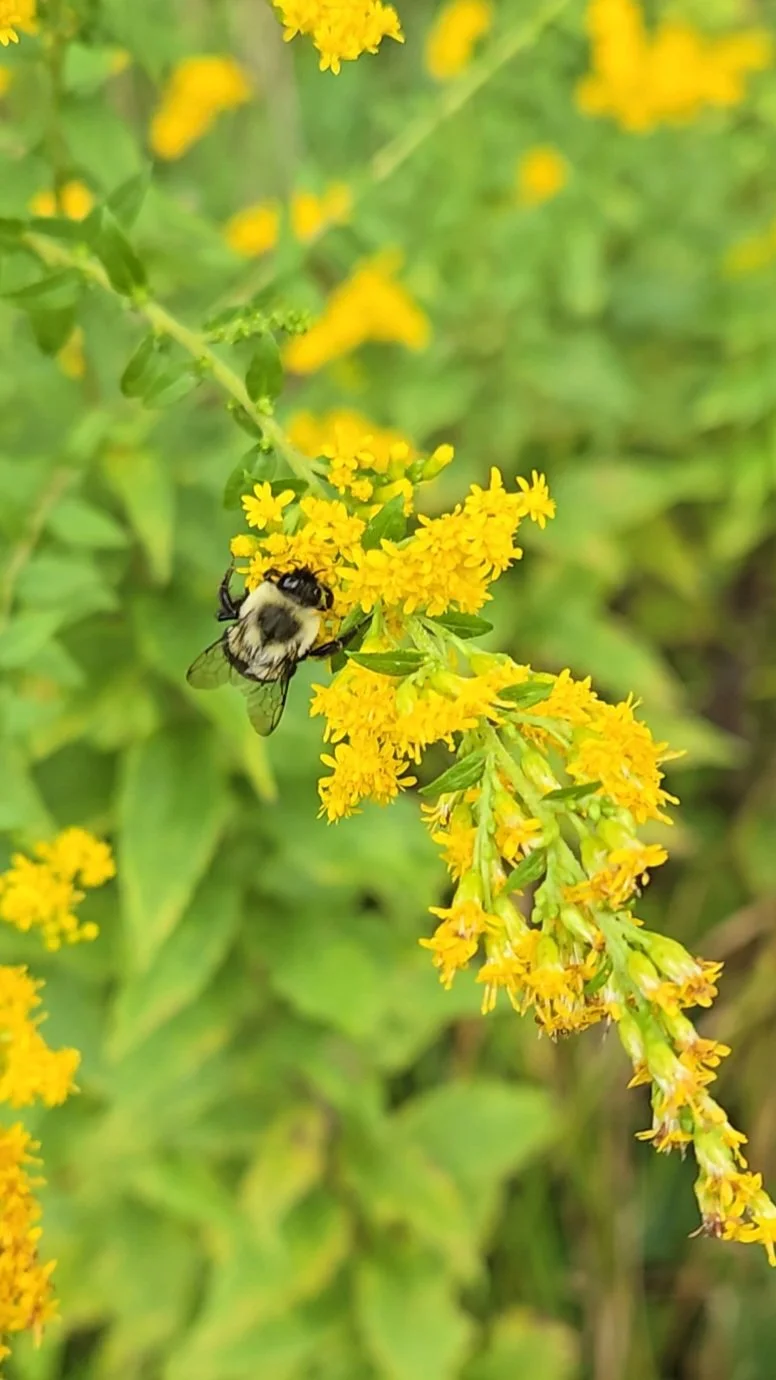
Did you know that MARSB offers a suite of support services to assist native plant material stakeholders in a wide array of specialized areas? Below are some of the technical services we offer, at no cost.
Custom Species List Development:
MARSB has created ecoregional recommended taxa lists for seven states, but for designing a plant or seed mix for a particular site, you may need to alter your choices to fit unique site conditions or microclimates. We can work with you to refine a list to best meet your project goals.
Grower Support:
Grower Outreach Coordinator Michael Butts works with new and emerging growers all over the mid-Atlantic. He can help with questions on propagation, seed and plant production, greenhouse infrastructure, business strategy, and most anything in between.
Banked Seed:
MARSB maintains a robust stock of wild-collected native seed from across the region. We share this seed with native plant growers, researchers, and land managers by request, with the overarching goal of enhancing the native plant material supply chain. Please reach out and let us know what you’re looking for - we will query our bank records for a geographic or taxonomic match.
End User/Grower Connections
Are you developing a project? Are you looking for a grower to produce a custom seed mix, or do you have an overstock of seed or plants and don’t know where it can be used? Through our network, we can help facilitate these kinds of connections and help smooth the path for you to get what you need in the native plant world.
Contract Collections
Need wild seed and you can’t find a source for your desired species? MARSB can make wild collections for you as a fee-based service. Any unused seed from these collections can be held at optimal storage conditions in our bank for when you next need it.
Contacts:
For custom taxa list and wild seed questions: jprice@marsb.org
For grower questions: mbutts@marsb.org
For market connection questions: akousch@marsb.org
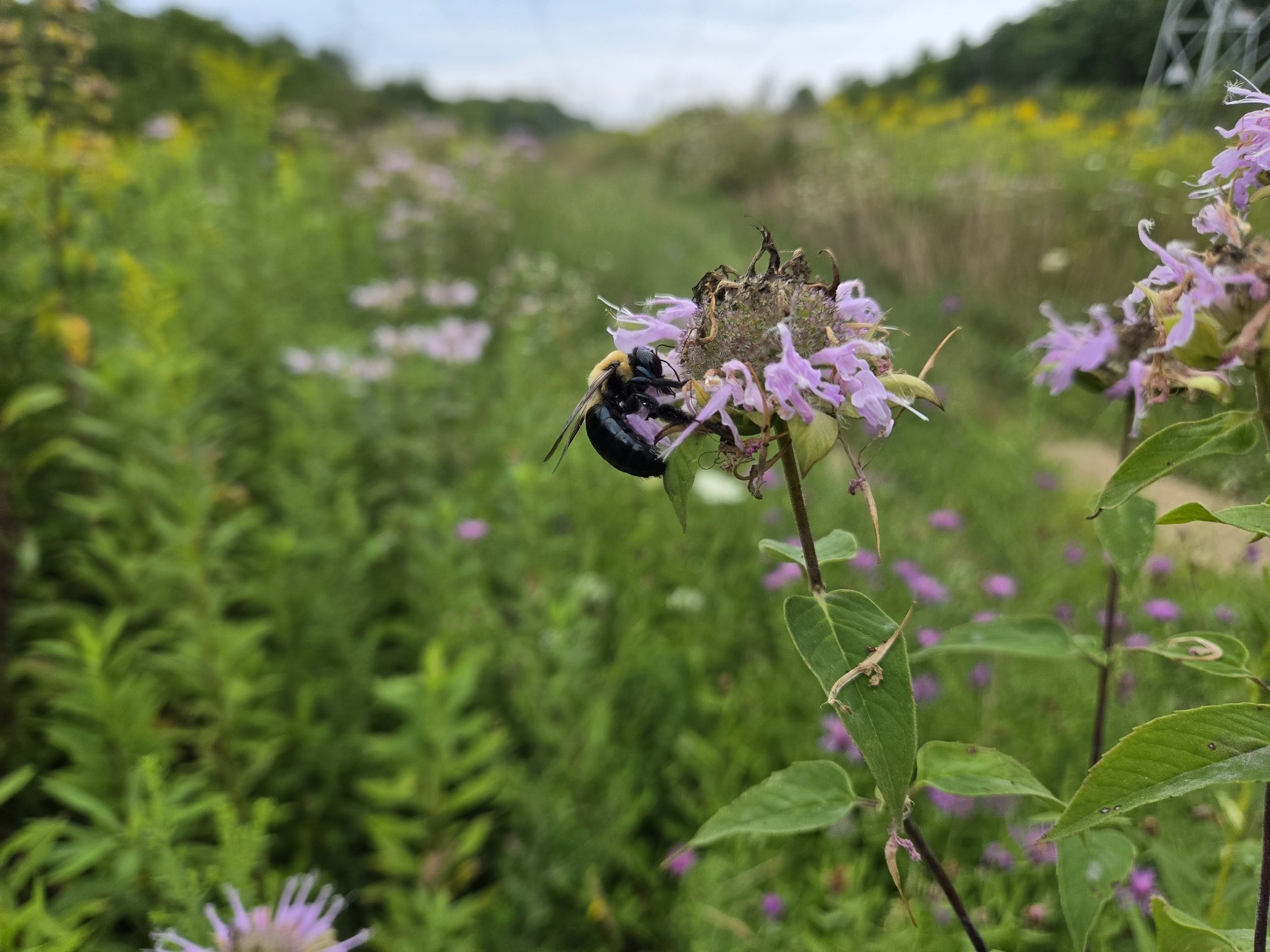
Explore ecoregional, native plant content from our field technicians, thought leadership, and more.
YouTube: Find MARSB on YouTube HERE and check-out our early June spotlight on wild strawberry (Fragaria virginiana). Subscribe to get the first scoop on all of our upcoming Field Notes videos.
Substack: Explore our long-form article outlining risks and opportunities in the seed sourcing industry HERE. Follow us on Substack for all of our future, thought provoking reads.
If you enjoyed Field Notes, please share with a friend.
Would you like to join the Field Notes community?
Subscribe below!